How a Pizza Restaurant Creates Signature Flavor
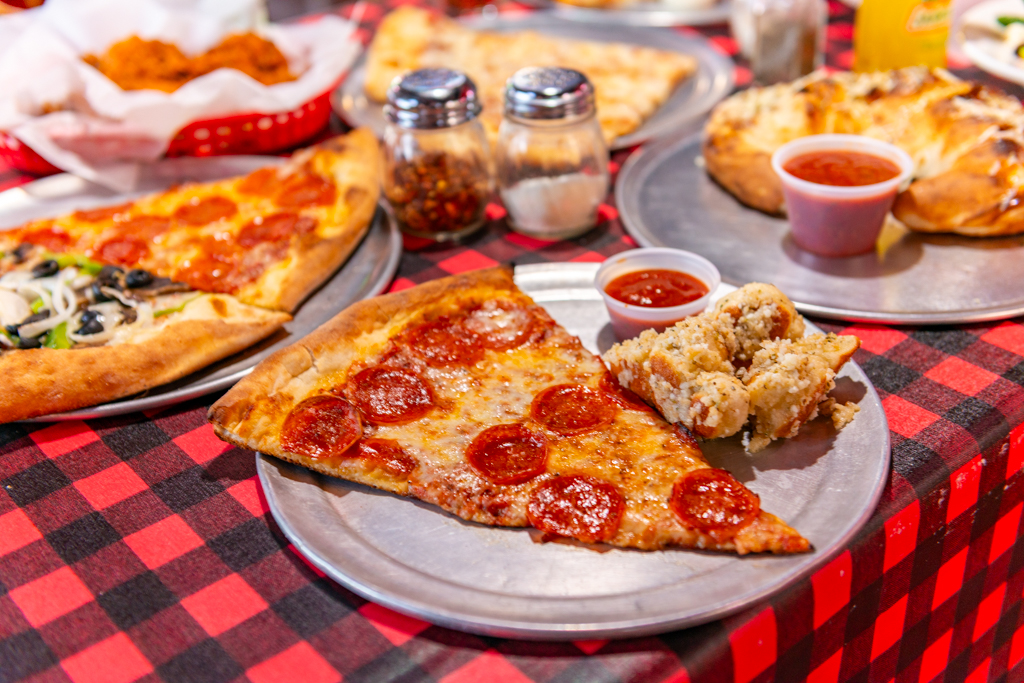
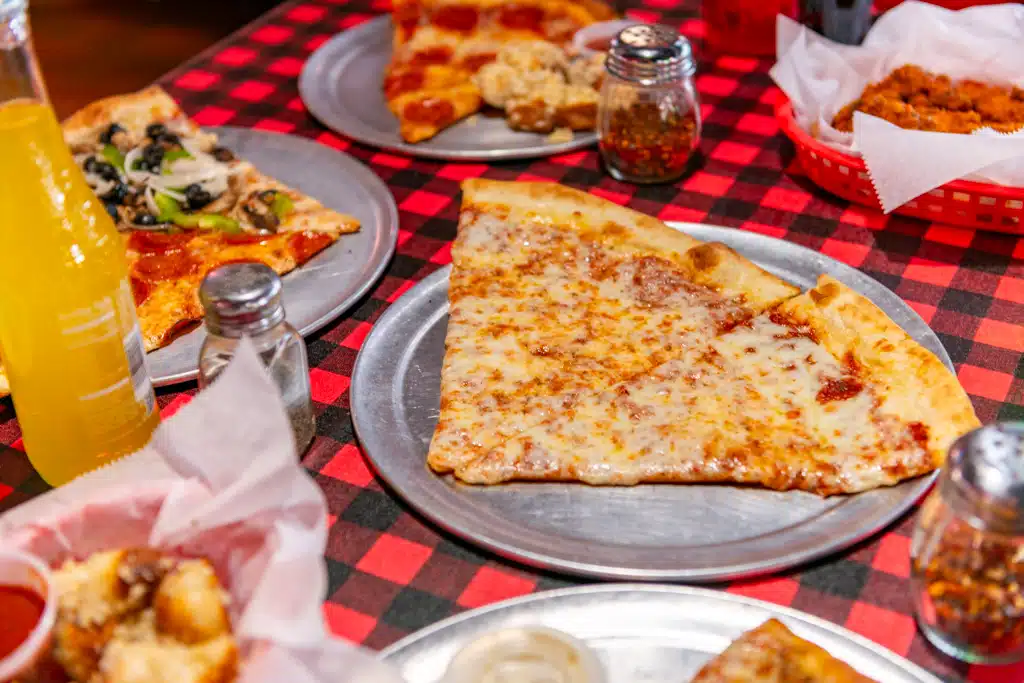
Walk into a memorable pizza restaurant and you can usually tell, within a few minutes, whether the place knows exactly who it is. The room may smell faintly of toasted flour and simmering tomato. The crust might carry a nutty aroma before it even reaches the table. The cheese may stretch, but not in that exaggerated way designed for photos. More often, what stands out is coherence. The dough, sauce, cheese, toppings, oven char, and even the finishing oil all seem to point in the same direction.
That is what signature flavor really is. It is not one secret ingredient hidden in the back kitchen. It is a chain of decisions, many of them small, made with discipline over time.
People outside the business often assume that a pizza restaurant builds its identity around one headline choice. Maybe it is the flour, a wood-fired oven, imported tomatoes, or a house-made sausage. Those things matter. None of them, by themselves, creates a flavor people recognize and come back for. Signature flavor comes from alignment. If the dough ferments for 48 hours, but the sauce is too sweet for that crust, the pie tastes disjointed. If the mozzarella releases too much moisture, the oven can no longer do its best work. If toppings are excellent but piled on without restraint, the crust disappears.
A strong pizza restaurant learns to make every component support the same final bite.
Flavor starts before the dough is mixed
The biggest mistake new operators make is treating flavor as something that can be adjusted at the end. They think they can solve bland pizza with extra salt, stronger cheese, more garlic, or a finishing drizzle. Experienced pizza makers know flavor begins much earlier, at the point where ingredients are selected with a specific style in mind.
Flour is a good example. Two flours can produce doughs that look similar on the bench and perform very differently in the oven. One gives a creamier wheat note and a softer chew. Another delivers more structure and a drier finish. Neither is universally better. The right one depends on the pie the restaurant wants to serve, the hydration it can manage, the fermentation schedule, and the oven environment.
Water matters too, though not in the dramatic way people sometimes imagine. Mineral content influences dough strength and yeast activity. A pizza restaurant that opens a second location across town sometimes discovers that the same recipe behaves differently because the water does. That can mean adjusting fermentation time, salt level, or mixing intensity to keep flavor and texture consistent. Operators who ignore this often end up chasing problems that seem mysterious but are actually mechanical.
Then there is salt. In pizza, salt does more than season. It tightens dough, moderates fermentation, and sharpens the perception of every other ingredient. A dough that is slightly under-salted will not just taste flat. It can also bake differently and feel less alive on the palate. The best pizza restaurants dial this in with precision, usually by weight, not by habit.
Fermentation is where character develops
If you want to understand why one crust tastes forgettable and another tastes deeply savory with a hint of sweetness, look at fermentation. This is one of the most powerful tools a pizza restaurant has, and one of the easiest to mishandle.
Long fermentation allows enzymes and yeast to create complexity that cannot be faked later. The dough develops aromas that read as wheaty, lactic, faintly nutty, sometimes even slightly floral. The crumb gains depth. The crust browns more attractively because sugars become available in the right way. Done well, fermentation creates the kind of flavor guests often describe as “more pizza-like,” even when they cannot explain why.
But long fermentation is not automatically better. A 72-hour dough sounds impressive, yet it can taste overworked, overly acidic, or slack in production if the process is not tightly managed. A busy neighborhood pizza restaurant that turns high volume every night may produce a better pie with a 24 to 48-hour program than with a more ambitious schedule that the staff cannot execute consistently.
Temperature control is where theory meets reality. A few degrees in the walk-in can change the entire fermentation curve. So can how tightly dough balls are covered, how long they sit at room temperature before service, and how often the cooler door opens during a rush. In practice, signature flavor depends as much on operational discipline as on recipe design.
I have seen kitchens with beautiful formulas produce average pizza because the dough lived a rough life after mixing. I have also seen simple formulas turn into excellent crust because the staff handled the dough with care, tracked time, and understood what the dough should feel like at each stage. Touch matters. A dough that has fermented well has a particular response under the hand. It stretches willingly but still has memory. It carries gas without feeling fragile. Good pizza makers learn that feel the way bakers learn a starter.
The sauce must know its role
Tomato sauce is one of the most misunderstood parts of a signature pie. Many restaurants assume stronger flavor means more seasoning. They load in garlic powder, dried oregano, sugar, onion, basil, and black pepper until the sauce tastes like a separate dish. Then the pizza comes out heavy, with no room for the crust or cheese to speak.
A better approach is restraint. Sauce should be composed for the whole pie, not for a spoon test.
For some styles, uncooked crushed tomatoes with salt and perhaps a small amount of olive oil are enough. The oven finishes the job. For others, especially where a thicker application or sweeter profile is desired, a cooked sauce makes sense. Either way, balance matters more than intensity. Bright acidity can cut through rich cheese. Natural tomato sweetness can echo caramelized crust. Herbs can lift the aroma, but too much dried oregano can flatten everything into a familiar pizzeria note that hides individuality.
There is also the question of water. Tomatoes vary by season, brand, and pack style. A pizza restaurant that does not monitor consistency may end up with sauce that floods one week and tightens up the next. That changes bake performance and flavor concentration. Good operators adjust by draining, blending, or altering application weight. These are not glamorous decisions, but they protect the final bite.
The best sauce on a signature pizza usually leaves a clear impression without calling attention to itself. You notice freshness, acidity, depth, maybe a green note from basil or a warm note from olive oil. What you do not notice is noise.
Cheese is not one ingredient, it is a system
Cheese choices reveal how seriously a pizza restaurant thinks about flavor. Too many places reduce the conversation to melt and stretch, which makes sense from a marketing standpoint but not from a culinary one. Cheese contributes salt, fat, tang, moisture, browning behavior, and aroma. It is structural and sensory at the same time.
Mozzarella alone can be beautiful, especially when chosen carefully for the style. Low-moisture mozzarella gives predictability, browning, and a classic pizzeria profile. Fresh mozzarella brings a softer dairy flavor and a more delicate melt, but it https://andersonwzld332.summitquill.com/posts/what-makes-a-pizza-restaurant-a-local-landmark requires more control. If it is not drained properly or portioned thoughtfully, it can swamp a pie. A signature pizza restaurant often blends cheeses for a reason. A little provolone can deepen savoriness. Pecorino can add sharpness and sheepy complexity. Parmigiano Reggiano, used as a finishing accent rather than a blanket, can tighten the flavor profile and make the crust taste richer.
What matters most is proportion. Cheese should support the dough and toppings, not bury them. A pie with too much cheese tastes monotonous after two slices because fat saturates the palate. A pie with too little may read austere unless the rest of the composition is very confident. The right level depends on style, but in every style there is a tipping point where abundance starts to erase identity.
Seasoning the cheese layer is another subtle move. Some operators finish with grated hard cheese before the bake, some after, some both. A few drops of olive oil or a dusting of finely milled dry cheese at the rim can change how the crust presents on the first bite. These details accumulate into a house flavor guests recognize even when they cannot name the components.
Toppings shape flavor through contrast, not excess
Signature flavor is rarely the result of piling on more ingredients than the next shop. In fact, the more distinctive pizza restaurants often show more restraint. They understand that toppings work best when they create contrast and rhythm.
Take pepperoni. It sounds simple, yet pepperoni varies enormously in spice level, smoke, cure profile, diameter, fat content, and cup behavior. A pizza restaurant that has tested six or seven pepperoni styles side by side quickly sees that each one asks for a different supporting cast. A pepperoni with strong paprika and chile notes may work best on a less seasoned sauce. A curl-and-char pepperoni that releases a lot of orange fat may need a drier cheese blend and a slightly thicker crust to stay balanced.
The same logic applies to sausage, mushrooms, onions, olives, anchovies, and greens. Every topping contributes moisture, salt, and aromatic compounds. Mushrooms can deepen umami but also shed water unless pre-cooked or sliced with care. Raw onions add sweetness as they roast, but if cut too thick they can stay harsh. Basil brings freshness, yet when baked too long it blackens and turns bitter. Even hot honey, a trend that has real merit when used thoughtfully, can push a pie into one-dimensional sweetness if the base already runs rich.
A good pizza restaurant thinks in terms of pairings and finishing points. Some toppings belong under the cheese so they mellow. Others should sit on top to blister and concentrate. Delicate elements such as arugula, lemon zest, or shaved cheese usually belong at the end, where they brighten rather than disappear.
One of the clearest signs of mature judgment in a pizza kitchen is the willingness to leave space on the pie. Not every square inch needs a topping. Air, blistered crust, and visible sauce are part of the flavor experience.
The oven gives the pizza its accent
The oven does not create flavor from nothing, but it does decide how flavor is expressed. A wood-fired oven can produce dramatic leopard spotting and a faint smoke note, yet wood itself is often less dominant than diners imagine. What truly changes the pizza is heat intensity, floor temperature, top heat, bake time, and moisture removal.
A deck oven can create a drier, more even bake with substantial bottom color and strong structural integrity. A conveyor oven, often dismissed by purists, can actually produce remarkably consistent results in the hands of a smart operator who understands airflow and calibration. The point is not which oven is most romantic. The point is whether the oven suits the product and the team can run it reliably.
Every oven imposes trade-offs. Very high heat preserves freshness in toppings and gives dramatic crust character, but it narrows the margin for error. Lower temperatures allow heavier topping loads and more cheese caramelization, but they can mute the airy lightness some diners want. Signature flavor emerges when the menu is built around the oven rather than against it.
This is why copying another restaurant’s recipe often fails. A dough designed for a 90-second bake in a live-fire oven will not behave the same way in a deck oven running a six-minute cycle. The same is true for cheese blends, sauce thickness, and topping prep. Flavor is inseparable from equipment.
Small finishing choices leave a big impression
Some of the most memorable aspects of a signature pie happen after the pizza leaves the oven. Finishing oil, grated cheese, herbs, chile flakes, lemon, sea salt, or even a final brush on the crust can sharpen the identity of a pizza restaurant. These are not cosmetic details. They are targeted adjustments to aroma and first-impact flavor.
Fresh basil torn over a hot pie releases a different aroma than basil baked into the sauce. A small amount of good olive oil can carry volatile flavors across the surface and help the nose register them before the first bite. A dusting of pecorino can add salinity exactly where melted mozzarella reads mildest. Even the timing of the cut matters. Slice too soon and cheese and sauce may run. Wait too long and the pie loses a bit of aromatic lift.
Crust finishing deserves more respect than it usually gets. Some restaurants brush the edge with garlic oil, others leave it bare to showcase the dough. Neither is inherently superior. What matters is honesty of style. If the dough is excellent, a plain rim may be the strongest statement. If the brand leans toward bolder, comfort-forward flavors, a light brush of seasoned oil can become part of the restaurant’s signature.
Consistency is part of flavor
Guests remember flavor through repetition. The pizza they loved last Friday must taste recognizably like the same pizza next month. That sounds obvious, yet it is where many restaurants struggle.
Consistency in a pizza restaurant is not robotic sameness. It is controlled variation within a narrow band. Tomatoes vary, dough breathes differently with the weather, ovens drift, and staff experience levels change. Strong operations acknowledge that and build systems around it. Dough is weighed. Sauce is ladled by portion. Cheese is measured or at least trained to a visual standard. Toppings are prepped to specified cuts. Bake cues are documented. Staff are taught what “right” looks and feels like.
There is a practical reason this matters beyond quality assurance. Human memory of food is surprisingly sensitive to mismatch. If a guest falls in love with a crust that is airy, lightly sour, and crisp at the base, a flatter, doughier version on the next visit can feel disappointing even if the ingredients are technically good. Signature flavor only becomes brand equity when it is repeatable.
This is where professional judgment enters. There are days when a dough should be warmed longer before service, when sauce should be held back by a few grams, or when a pie needs an extra 20 seconds to hit its best expression. A kitchen that creates signature flavor trains people to make these calls rather than blindly follow a number.
House style is built through editing
The strongest pizza restaurants are not defined just by what they add. They are defined by what they refuse.
They refuse overloaded specialty pies that collapse under their own weight if those pies do not match the brand. They refuse ingredients that sound luxurious but muddy the flavor. They refuse to copy trends that win attention for a month and compromise the core product for years.
That editing process is often what separates a good neighborhood place from one with a true point of view. Maybe the restaurant decides every pie will have a noticeable fermentation note and a restrained sauce profile. Maybe it chooses to focus on fewer toppings with stronger sourcing. Maybe it keeps the menu compact so the dough and prep can stay at a high standard during peak hours. Those choices create identity far more effectively than gimmicks do.
A useful way to think about signature flavor is to ask what a blind bite would reveal. Could someone familiar with the restaurant identify the pie without seeing the box? In the best cases, yes. They would know the char pattern, the tang of the cheese blend, the brightness of the tomato, the balance of the crust, and the way the toppings are portioned.
Local habits matter more than theory
No discussion of a pizza restaurant is complete without acknowledging the guest. Flavor does not exist in isolation from market expectations. A technically beautiful pie can still fail if it ignores what local diners actually crave.
In some markets, guests want a crisp underside and a clean fold. In others, they expect generous cheese and a sweeter sauce. College towns may support bolder, saltier profiles late at night. Family neighborhoods often reward consistency and familiarity. A chef may prefer restrained toppings and subtle fermentation, but if the dining room clearly responds to a more comforting style, the smart move is not surrender. It is adaptation.
The best operators translate their standards into a product people in that area will love. They preserve craftsmanship while tuning the details. That may mean increasing sauce slightly, softening acidity, or choosing a pepperoni with broader appeal. Signature flavor is not stubbornness. It is a clear identity expressed in a way that fits the market.
Flavor is also emotional memory
Ask guests why they return to a favorite pizza restaurant and their answer is often only partly about ingredients. They mention the crust, the sauce, the pepperoni cups, maybe the smell. Then they drift into memory. It is the Friday routine, the pie they shared after a game, the table by the window, the way the room felt when the weather turned cold.
Restaurants sometimes underestimate how much these associations amplify flavor. Familiarity can make a seasoning profile feel more comforting. Presentation can influence perceived crispness. A pie served five minutes faster, at its ideal temperature, tastes better for reasons that are not strictly compositional. Signature flavor lives partly in this emotional layer. Smart restaurants respect it. They do not chase novelty so aggressively that they erase the thing guests came to love.
The real secret is disciplined repetition
There is no single secret behind a pizza restaurant with signature flavor. There is a pattern. Ingredients are chosen with purpose. Dough is fermented with care. Sauce is balanced rather than loud. Cheese is treated as a functional blend, not a generic topping. The oven is matched to the style. Finishing touches are deliberate. The team learns to notice small deviations before guests do.
From the outside, it can look effortless. From the inside, it is a craft built on repetition, correction, and a lot of tasting. One pepperoni brand change can shift the whole pie. A new flour crop can alter absorption. A summer heat wave can push dough ahead of schedule. Restaurants that maintain a distinct flavor year after year are the ones that keep paying attention.
That is the difference between pizza that is merely good and pizza people can identify in a blind bite. Signature flavor is not an accident, and it is rarely flashy. It is the result of hundreds of linked decisions, made well, over and over, until the pizza says the restaurant’s name before anyone else does.